


25 Aug Why Buying Ammunition in Large Quantities Saves You Real Money
Buying Bulk Ammo: The Smart Way to Save Big on Your Next Range Day
Bulk ammo is just a whole lot of rounds packed together in one box, plain and simple—no fancy packaging, just pure shooting fuel. Because you’re buying in larger quantities, you’re getting a specialty sports lower cost-per-round, which means more trigger time without wrecking your wallet. It works exactly like standard ammunition, so you can load it into magazines or cylinders the same way, but you won’t have to restock as often. Grab a few thousand rounds, and you’re set for range days, training drills, or just plinking until your shoulders give out.
Why Buying Ammunition in Large Quantities Saves You Real Money
When you buy ammo by the case instead of a box at a time, the per-round price drops dramatically, and that’s where bulk ammo savings kick in. Retailers price smaller packs with higher overhead per unit, but large-quantity purchases slash packaging and shipping costs, which they pass directly to you. Plus, you’re locking in a lower rate before any future price creep, so your range budget stretches further. Fewer trips to the store also mean less impulse buying and wasted gas. Over a year of regular practice, that difference adds up to hundreds of dollars in your pocket. That’s the real, tangible benefit of buying in volume—you’re not just stocking up, you’re actively reducing your cost per round every time you pull the trigger.
How Per-Round Costs Drop When You Purchase by the Case
When you buy ammo by the case, the per-round cost drops because manufacturers and retailers price breaks at bulk thresholds—typically 200, 500, or 1,000 rounds. Instead of paying a per-box markup, you’re covering packaging, shipping, and handling once, then spreading that overhead across dozens of boxes. This is why case-lot pricing per round often lands 10–20% lower than buying individual boxes. Retailers also pass along warehouse savings, since moving entire cases cuts their labor costs. The math gets better the heavier you buy: a 1,000-round case of 9mm might run $0.24 a round, while a single 50-round box could be $0.30. That 7mm WSM Ammo for Sale difference adds up fast on a range day.
**Q: How does buying by the case actually reduce the cost per round?**
A: You’re eliminating per-box handling fees Shotgun Ammo for Sale and unlocking tiered discounts—so every round in the case costs less than it would if you’d bought the same ammo in separate boxes.
Comparing the Price of a Single Box Versus a 500-Round Lot
The most immediate way to see bulk savings is to compare the per-round cost of a single 20-round box against a 500-round lot. A single box of defensive or target ammunition often costs $1.00 to $1.50 per round, whereas a 500-round case typically drops that same price to $0.60–$0.80 per round. That difference of $0.40 per round translates to $200 saved on one lot. Crucially, this comparison ignores shipping or hazmat fees; you must divide the lot’s total delivered price by 500 to get the true unit cost. When that adjusted figure still beats the single-box price by 25% or more, the price-per-round advantage of bulk ammo becomes your primary buying criterion. Always recalculate with current quotes, as single-box prices fluctuate independently of case-lot discounts.
What Shipping and Handling Fees Look Like on Big Orders
On big ammo orders, shipping and handling fees shift from a per-box nuisance to a flat, predictable cost per case. Most bulk suppliers calculate freight by total weight, so a 1,000-round order of 9mm might carry a flat $25–$40 fee, while a 5,000-round pallet jumps to $75–$150. The key is that these charges don’t scale linearly—a 2,000-round order rarely doubles the shipping of 1,000 rounds. Bulk ammo shipping discounts appear at weight tiers, where vendors reduce the per-round shipping from $0.03 to under $0.01. Handling fees, when present, are usually a one-time $5–$10 charge per order, not per box. Palletized freight for huge orders often includes liftgate delivery for an extra $15, but you avoid that by choosing ground residential.
Q: What should you expect for handling on a 5,000-round order?
A: Expect a single handling fee (around $8) plus a weight-based freight charge—typically $90–$140 total, not $0.20 per box like small orders.
What Calibers and Grain Weights Are Most Practical to Stock Up On
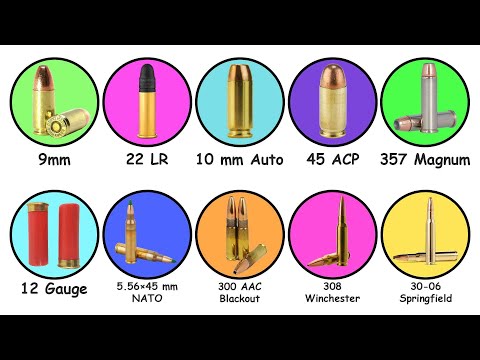
For bulk ammo, focus on 9mm in 115 or 124 grain, .223 Remington/5.56 NATO in 55 or 62 grain, and .22 LR in 36 or 40 grain high-velocity loads. These calibers dominate defensive, sporting, and training use, ensuring availability and lower per-round costs. Stick with mid-range grain weights—124 grain 9mm and 62 grain 5.56—as they cycle reliably across most firearms and balance recoil with terminal performance. 7.62×39 in 122 or 124 grain is another smart bulk choice for AK-platform owners. Avoid exotic or heavy-for-caliber loads for stockpiling; they cost more and may not feed consistently. For bulk purchases, prioritize common FMJ projectiles over specialty rounds, since you’re storing quantity for practice and preparedness, not precision matches or hunting.
Choosing Between 9mm, .223, and .308 for High-Volume Shooting
For high-volume shooting, the 9mm is the clear choice for pistol-caliber practice due to its light recoil and the lowest cost per round, allowing you to sustain trigger time without burning through your budget. When selecting a rifle caliber, the .223 is more practical than the .308 for bulk ammo because it offers significantly less recoil and uses less powder and lead, which translates to lower prices and easier recoil management for extended sessions. The .308, while powerful, becomes cost-prohibitive and fatiguing for thousands of rounds, making it a lower-priority stockpile for sheer volume. Ultimately, your choice hinges on whether you are prioritizing handgun or rifle training; the 9mm and .223 cover the vast majority Rifle Ammo for Sale of high-volume needs, while the .308 should be reserved for precision or semi-auto platforms where you shoot less often.
- 9mm is the cheapest and softest-shooting option, ideal for handgun drills.
- .223 offers a 50-caliber-class ballistic advantage at a lower cost and recoil than .308.
- .308 is best for limited, deliberate shooting Rimfire Ammo for Sale sessions rather than sustained bulk ammo expenditures.
- Match your caliber to the weapon system you will actually wear out.
Understanding Bullet Grain and How It Affects Recoil and Accuracy
Understanding bullet grain is your key to unlocking consistency from bulk ammo, as the weight of the projectile directly dictates both felt recoil and trajectory. Heavier grains, like a 147gr 9mm, produce a slower, more pronounced push that can feel harsher in rapid fire, while lighter 115gr loads snap sharply with less perceived kick. This trade-off impacts your accuracy because a mismatch between grain and your firearm’s barrel twist rate can cause keyholing or inconsistent groups. The true treasure is finding the single grain weight your specific gun shoots most tightly, then buying that exact load in bulk to ensure every shot behaves identically. Committing to one **optimal bullet grain weight** eliminates variables, letting your practice builds muscle memory instead of compensating for erratic recoil.
Full Metal Jacket Versus Hollow Points for Range Practice vs. Defense
For bulk ammo stockpiling, FMJ rounds are the undisputed choice for range practice, as their full metal jacket prevents lead fouling and feeds reliably during high-volume drills, saving you money without sacrificing training value. However, FMJ’s penetrating, non-expanding design makes it dangerous 6.5 Creedmoor Ammo for Sale for self-defense, where over-penetration through walls is a serious risk. Therefore, your defense stash must consist of hollow points, which expand on impact and stop faster inside a threat. A smart bulk strategy is to buy FMJ in large quantities for practice, then allocate a smaller, separate reserve of hollow points solely for your loaded carry magazines, ensuring your range ammo and defensive ammo never overlap.
How to Store Large Quantities of Cartridges So They Last for Years
For bulk ammo, the golden rule is keep it cool, dry, and dark—heat and humidity are the real enemies of primers and powder. Invest in heavy-duty, sealable plastic ammo cans with a rubber gasket, and toss in a few silica gel desiccant packs to soak up any lingering moisture. Rotate your stockpile by shooting the oldest cartridges first, so you’re constantly cycling fresh rounds into the deep storage rotation. Never store ammo on a bare concrete floor, even in sealed cans, because temperature swings cause condensation; put a wooden pallet or shelf between the cans and the ground. Your best insurance is simply checking the cans twice a year—if the desiccant looks pink or the gasket feels brittle, swap it out before corrosion starts. Avoid attics or garages; a closet on an interior wall gives you stable temps that let bulk ammo outlast a decade without a hiccup.
Ammo Cans, Silica Gel Packs, and Keeping Moisture Out
For bulk ammo longevity, sealed ammo cans with desiccant control are non-negotiable. Military-surplus metal cans with rubber gaskets create a near-airtight barrier, but they trap existing humidity—so always add silica gel packs. Use reusable color-changing packs (orange to green) and recharge them in a low oven at 250°F for two hours. Place packs on top of ammunition, not beneath, since moisture settles. *The gasket seal only works if you close the lid with a firm, even press to avoid pinching the rubber.* Check packs every six months, swapping them out before they saturate. For long-term storage, vacuum-seal ammo in mylar bags first, then place inside the can with silica—this dual-layer approach prevents condensation from temperature swings.
Q: How often should I replace silica gel packs in my ammo cans?
A: Inspect every three months; replace or recharge when the indicator color shifts halfway—usually annually in stable climates, but bi-annually if you open the can frequently.
Ideal Temperature Ranges and Avoiding Sunlight Exposure
For long-term bulk ammo storage, keep the environment between 55°F and 85°F, as extreme heat accelerates powder degradation and can compromise primer stability. A consistent, moderate temperature prevents the expansion and contraction cycles that cause seal fatigue and moisture intrusion. Equally critical is protecting ammunition from direct sunlight exposure, since UV rays degrade polymer casings and cause heat buildup inside opaque containers. Never store ammo near windows, skylights, or in garages where afternoon sun hits the shelving—even indirect light can raise temperatures to dangerous levels over time. Instead, use a dark, climate-controlled closet or basement corner, maintaining stable, cool conditions to preserve ballistic performance for decades.
Rotating Your Stockpile: Using the Oldest Rounds First
When you buy bulk ammo, it’s easy to grab whatever box is on top, but that’s the fast track to a stale rotation. Make a habit of pulling the oldest cartridges from the back or bottom of your stash, and shoot those first. This ensures your newer cases get proper aging time while your proven stock gets used before any lube dries or primers degrade. Label every box or can with a purchase date, then stack new arrivals behind the old. That way, your deep storage stays consistently fresh, and you never discover a forgotten brick from five years ago with corroded brass. It’s a five-second habit that saves your whole investment.

Q: Does rotating your stockpile actually matter Handgun Ammo for Sale if the ammo is sealed in ammo cans?
A: Yes. Even sealed containers allow 6.5 PRC Ammo for Sale slight temperature-driven moisture shifts over years, so using the oldest rounds first keeps your shootable supply from becoming a science experiment.
What to Check Before You Commit to a Bulk Order
Before committing to a bulk ammo order, first verify the lot’s headstamp consistency, as mixed production runs can cause point-of-impact shifts between boxes. Inspect the primer sealant and case mouth crimp on a sample round; a proper seal prevents moisture ingress during long-term storage, while insufficient crimp risks bullet setback in magazines. Confirm the cartridge’s actual overall length against your firearm’s chamber—especially with match or defensive loads—since bulk lots sometimes vary by a few thousandths of an inch. Finally, check the brass’s base condition for excessive extractor gouges or annealing discoloration, which indicate reloads sold as new. These checks directly protect your bulk ammo investment and ensure reliable bulk order performance from the first round to the last.
Reading Headstamps and Lot Numbers to Confirm Quality
Before committing to a bulk ammo order, decoding the headstamp and lot number verification is your first line of defense against inconsistent performance. The headstamp, stamped on the cartridge base, reveals the manufacturer and, in many military or premium civilian loads, the year of production—allowing you to reject aged or unknown-sourced stock. The lot number, usually printed on the case or box, ties every round to a single production run. To confirm quality, follow this sequence: first, verify the headstamp matches the advertised manufacturer and caliber exactly; second, locate the lot number on the box or primer pocket; third, ask the seller for the lot’s factory ballistic test data or recall history; fourth, inspect a sample from that lot for uniform primer seating and case length. Identical lot numbers ensure consistent powder charge and pressure, Ammunition for Sale while mismatched lots in one order signal hidden mixing and potential accuracy drift.
Testing a Small Sample First for Function and Accuracy
Before you sink money into a case of bulk ammo, run a sample box through your specific firearm. Function isn’t theoretical—it’s feeding, extracting, and firing without stovepipes or light strikes. Accuracy matters too: group five-shot strings at your typical self-defense or competition distance, and compare them against your carry load. Test across different magazines, since weak springs can expose rim or OAL issues. Also, cycle the bolt or slide manually to check for tight chamber fit. A quick sequence: inspect the brass for defects, fire 20 rounds slowly, then 20 rapid-fire to check heat sensitivity. Only if the sample runs flawlessly should you order thousands.
Knowing If Your Barrel Twist Rate Matches the Bullet Weight
Before you lock in that bulk order, make sure your barrel’s twist rate actually stabilizes the bullet weight you’re eyeing. A 1:7 twist handles heavy 77-grain loads, while a 1:12 prefers light 55-grain rounds—mismatches cause keyholing and terrible accuracy. Check the twist stamped on your barrel (or the manual), then cross-reference it with the bullet’s length and weight. If you’re buying 500 rounds of 69-grain match ammo for a 1:9 barrel, you’re probably fine, but don’t gamble on 80-grain pills. Matching twist rate to bullet weight prevents wasted money and frustrating range trips. When in doubt, test a small box first before committing to a case.
- Verify your twist rate (e.g., 1:7, 1:9, 1:12) against the manufacturer’s recommended bullet weight range.
- Heavier, longer bullets need faster twists (lower second number) for proper stabilization.
- A quick 20-round test of the 7mm-08 Ammo for Sale target weight reveals stability issues before you buy in bulk.
Common Mistakes First-Time Buyers Make and How to Avoid Them
New bulk ammo buyers often overestimate their storage space, leaving thousands of rounds exposed to humidity, which corrodes primers and causes misfires. Another common mistake is ignoring lot numbers; mixing different production batches can cause frustrating zero shifts and inconsistent accuracy, so always segregate purchases by lot. Additionally, many novices grab the cheapest steel-case options for precision rifles, then complain about poor performance—check your firearm’s manual before committing to a bulk order. Finally, avoid buying more than you can realistically shoot within 12–18 months, as stored ammunition degrades and gunpowder loses potency over time. How to avoid these bulk ammo pitfalls starts with airtight, desiccant-packed containers in a climate-controlled room. Smarter first-time bulk ammo buying also means testing a small sample from each case at the range before storing the rest.
Overpaying for Brass-Cased Rounds When Steel-Cased Works Fine

New shooters often default to brass-cased ammunition, but this is a costly habit when buying bulk ammo for range use. Steel-cased rounds deliver comparable velocity and acceptable accuracy at a significantly lower per-round price, making them ideal for high-volume training. The primary downside—steel cases don’t expand and seal like brass, which can cause slightly more carbon fouling—rarely impacts function in modern firearms. To avoid overpaying, first verify your gun’s warranty doesn’t specifically exclude steel, then buy a single box to test feeding and extraction. If it cycles cleanly, commit to a steel-cased bulk order. Reserve premium brass for defensive loads or competition, not plinking. Ultimately, shooting steel-cased ammo in bulk frees budget for more trigger time without sacrificing reliability.
- Check manufacturer warranty for steel-case restrictions.
- Test 50 rounds in your specific firearm.
- Compare cost per round against brass; switch if savings exceed 15%.
Ordering the Wrong Bullet Type for a Rifle’s Magazine
Ordering the wrong bullet type for a rifle’s magazine is a costly bulk ammo error, as cartridge geometry dictates reliable feeding. A pointed (spitzer) round with a sharp ogive may jam against the feed ramp if the magazine was designed for flat-nosed or round-nosed profiles. Before bulk purchase, verify the bullet’s overall length (COL) against your magazine’s internal dimensions; a cartridge too long will not seat fully, while too short can cause double-feeds. Even the same caliber, like .300 Blackout, can have supersonic versus subsonic profiles with vastly different nose shapes for the same AR-15 magazine. Check manufacturer specifications for your specific rifle magazine model, not just the rifle, and test a small sample before committing to a case.
Ignoring the Difference Between Remanufactured and New Ammunition
Ignoring the difference between remanufactured and new ammunition in bulk purchases often leads to hidden performance variability. Remanufactured rounds use once-fired brass and replaced components, while new ammunition guarantees virgin casings and factory-spec tolerances. For bulk orders, this distinction directly impacts consistency; remanufactured lots can show pressure fluctuations or accuracy shifts across batches. Before buying, check if the listing explicitly states “remanufactured” or “new.” If a deal seems too low, assume remanufactured. Bulk ammo reliability hinges on this classification. For critical training or defensive use, new rounds are safer. However, for high-volume range practice, remanufactured can be cost-effective if you verify the processor’s quality control. Follow this sequence:
- Confirm the product label and packaging for “new” versus “remanufactured.”
- Read reviews specifically mentioning case life or misfires.
- Test a small sample before committing to the full bulk box.